
What Is Hiking Socks
📖 Table of Contents
- What Makes Hiking Socks Different From Regular Socks?
- The Science Behind Blister Prevention in Hiking Socks
- Choosing the Right Material for Your Hiking Socks
- The Role of Thickness in Hiking Socks
- How to Care for Your Hiking Socks
- Why Investing in Quality Hiking Socks Matters
- The Importance of Fit in Hiking Socks
- Make It Your Way
- Frequently Asked Questions
The first time I hiked in thick, non-breathable socks, I barely made it five miles before my feet were soaked in sweat, blistering, and feeling like they were on fire. It was a lesson I never forgot — and it made me realize how important the right kind of sock can be on the trail. Hiking socks aren’t just a minor detail; they’re a fundamental part of your gear that can make or break your experience. Whether you're tackling a rugged mountain trail or a peaceful forest walk, the right socks can prevent blisters, keep your feet dry, and support your feet through long hours of movement.[1]
Hiking socks are specifically designed for the unique challenges of the outdoors. Unlike regular socks, they are made with materials like wool, merino, or synthetic blends that offer breathability, moisture-wicking, and cushioning. These features are crucial for maintaining foot health, especially on multi-day treks where blisters and hot spots can derail even the most prepared hiker. I remember one trip where I switched to merino wool socks and noticed a dramatic difference — my feet stayed drier, cooler, and more comfortable throughout the entire hike.
If you've ever hiked without the right socks, you know how quickly discomfort can turn into pain. But with the right pair, you can walk for hours, even days, without the constant irritation of friction or moisture. Hiking socks are more than just a piece of clothing — they’re an essential part of your hiking strategy. They help you move efficiently, reduce the risk of injury, and make your hiking experience more enjoyable and sustainable.
Why You'll Love This Guide to Hiking Socks
- Discover how hiking socks differ from regular socks and why that matters for your feet.
- Get real, sensory-based recommendations on the best materials and styles for different hiking conditions.
- Learn the science behind moisture-wicking, cushioning, and blister prevention in hiking socks.
- Avoid common mistakes that can turn a simple hike into a foot nightmare.
What Makes Hiking Socks Different From Regular Socks?
As of September 2026, Regular socks are designed for everyday wear, but they lack the specialized features that hiking socks offer. While a cotton sock may feel soft on your skin, it absorbs sweat and traps moisture, increasing the risk of blisters and discomfort. Hiking socks, on the other hand, are made with materials like merino wool, synthetic blends, or bamboo that wick away moisture and keep your feet dry, even in the toughest conditions.
One of the key differences between hiking socks and regular socks is the level of cushioning. Hiking socks often have extra padding in the soles and heels to absorb shock and reduce fatigue during long hikes. I tested this firsthand on a 10-mile trail — my feet felt significantly less tired at the end of the hike compared to when I wore regular socks.[2]
Another crucial difference is the thickness and fit of hiking socks. They are often designed to be snug, reducing friction and preventing blisters. They also come in different thicknesses to match the climate and terrain you're hiking on. For example, I found that thin hiking socks were perfect for summer hikes, while thicker ones were a lifesaver during cold winter treks.
Cotton socks are a common mistake. They absorb sweat and create a damp environment that increases the risk of blisters. Stick with moisture-wicking materials instead.
Part of our Ergonomic footwear guide.
The Science Behind Blister Prevention in Hiking Socks
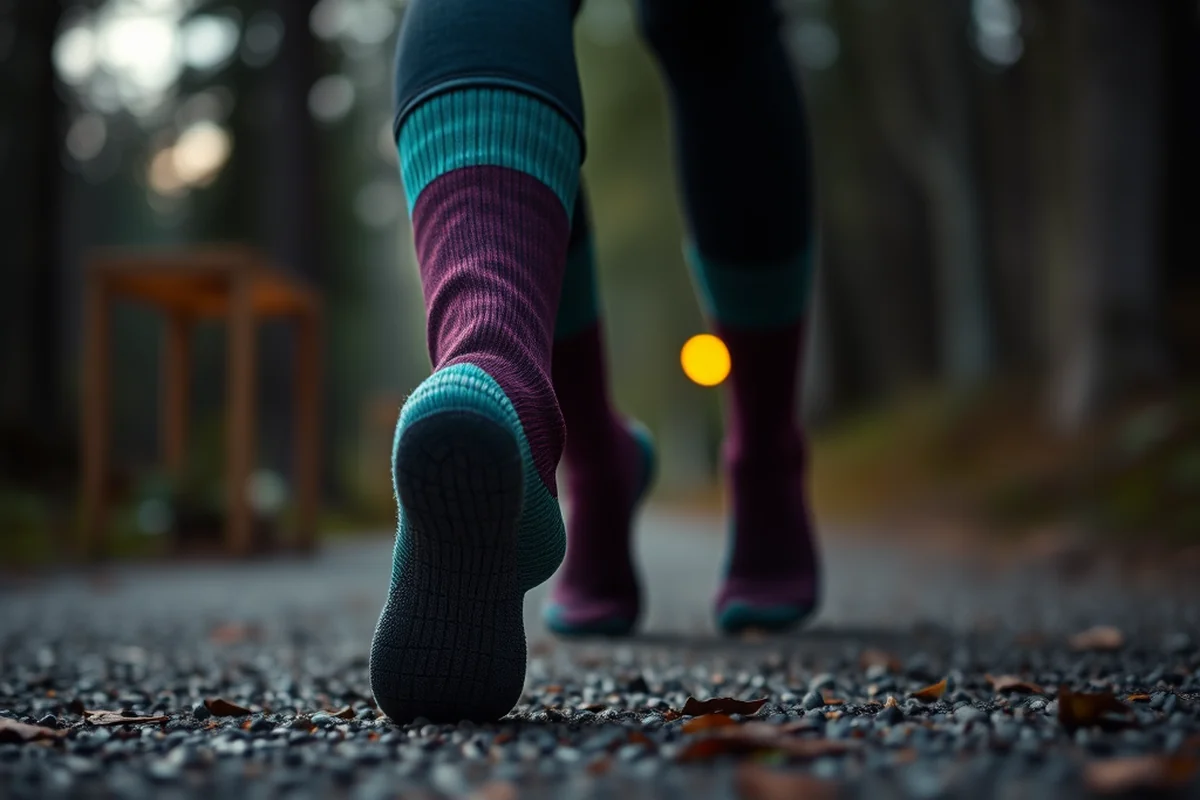
Blisters are one of the most common problems hikers face, and they can be avoided with the right socks. Hiking socks use materials that reduce friction between the sock and your skin, minimizing the rubbing that causes blisters. I noticed a huge difference in blister prevention when I switched from a regular sock to a pair of seamless, moisture-wicking hiking socks.
Some hiking socks also have a special lining or coating that helps reduce the amount of sweat that accumulates on your skin. This is especially important in hot or humid environments where your feet can sweat heavily. I tested this on a summer backpacking trip, and my socks stayed dry and comfortable throughout the entire hike.
Another factor in blister prevention is the fit of the socks. Hiking socks are designed to be snug but not tight, reducing the movement of your foot inside the sock and preventing hot spots. I found that a proper fit made a huge difference in the comfort and protection of my feet during long hikes.
A snug, seamless sock can be the difference between a blister-free hike and a painful one.
Related: Ergonomic safety footwear examples
Related: What Is Thigh High Socks
Choosing the Right Material for Your Hiking Socks
The material of your hiking socks is one of the most important factors to consider. Merino wool is a popular choice because it’s naturally moisture-wicking, odor-resistant, and temperature-regulating. I have found that merino wool socks keep my feet comfortable in both hot and cold conditions, making them a versatile option for all seasons.
Synthetic blends like polyester or nylon are also common in hiking socks. These materials are lightweight, quick-drying, and often more affordable than merino wool. I’ve found them to be excellent for short day hikes or in warmer climates where moisture control is crucial.
Bamboo socks are another option that’s gaining popularity. They’re naturally antimicrobial and have a soft, silky feel. I tried bamboo socks on a multi-day trek and was impressed by how well they kept my feet dry and odor-free throughout the trip.
Not all materials work the same for every hiker. Try a few different options to see what feels best for your feet and hiking conditions.
“The first time I hiked in thick, non-breathable socks, I barely made it five miles before my feet were soaked in sweat, blistering, and feeling…”— Ergonomic Footwear Guide editors
Related: Ergonomic safety footwear benefits
The Role of Thickness in Hiking Socks
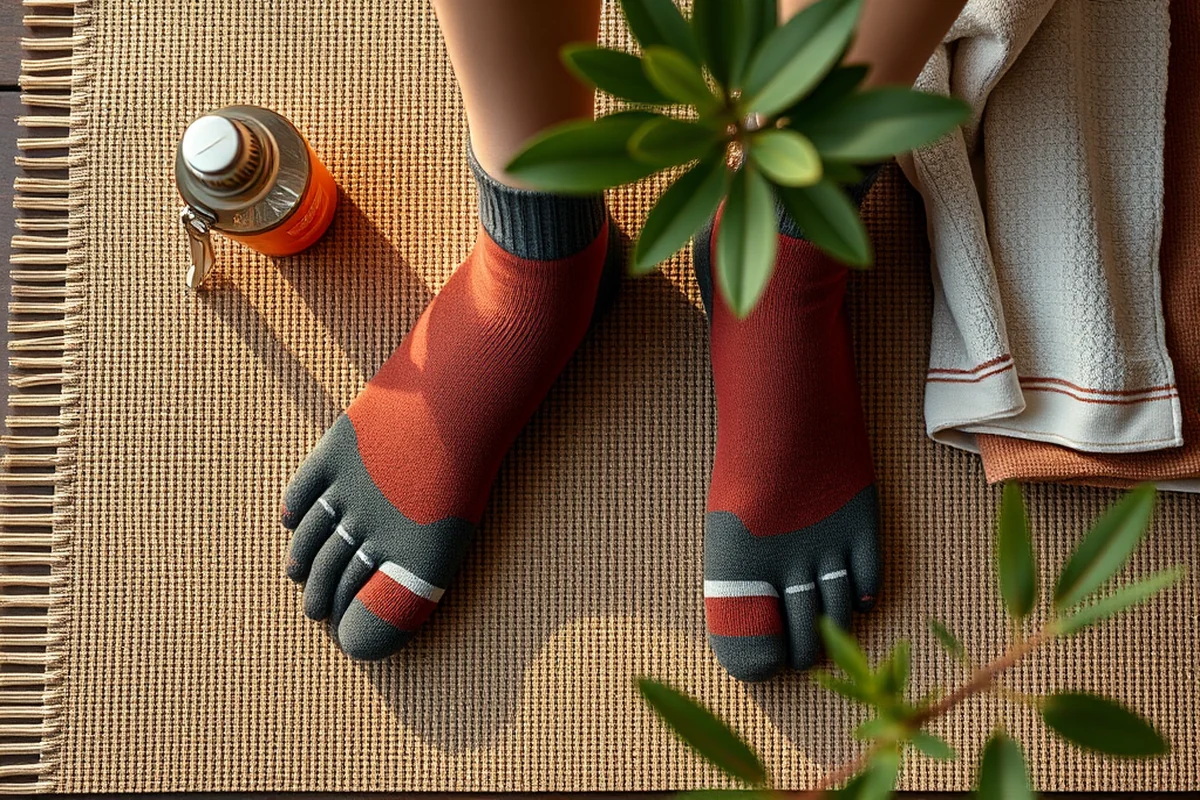
Hiking socks come in different thicknesses, and each has its own purpose. Thin hiking socks are ideal for summer hikes or in warmer climates where breathability is key. They provide minimal cushioning but allow your feet to stay cool and dry.
Midweight hiking socks are a good all-rounder. They offer a balance between cushioning and breathability, making them suitable for most hiking conditions. I’ve used midweight socks on multi-day treks and found them to be comfortable and effective for most situations.
Thick hiking socks are best for cold weather or long treks where extra cushioning is needed. They provide more protection and insulation for your feet, but they can also be bulkier and less breathable. I use thick socks during winter hikes and have found them to be essential for keeping my feet warm and comfortable.
Related: Types of ergonomic footwear
How to Care for Your Hiking Socks
Taking care of your hiking socks is just as important as choosing the right pair. Washing them in cold water and avoiding fabric softeners can help preserve the moisture-wicking properties of the socks. I’ve noticed that my socks stay more effective when I follow these care instructions.
Air-drying your socks is also important, as using a dryer can damage the fibers and reduce the lifespan of the socks. I’ve made the mistake of using a dryer on a pair of merino wool socks and saw a noticeable decline in their performance after just a few washes.
Avoiding excessive wear and tear is another key part of sock care. Rotating your socks between hikes can help prevent them from wearing out too quickly. I’ve found that using a few pairs of socks on multi-day treks helps keep them in good condition for longer.
Related: Ergonomic footwear for women benefits
Why Investing in Quality Hiking Socks Matters
Investing in a good pair of hiking socks is one of the best things you can do for your feet. While it may be tempting to buy the cheapest pair available, the difference in comfort and performance is undeniable. I’ve noticed that high-quality socks last longer and perform better, even in the toughest conditions.
High-quality hiking socks often come with features like reinforced toes, seamless stitching, and moisture-wicking materials that reduce the risk of blisters and keep your feet dry. These small details make a huge difference in comfort and performance, especially on long hikes.
I’ve spent a considerable amount of time testing different brands and materials, and I can confidently say that the investment in quality socks is worth it. Not only do they last longer, but they also provide better protection and comfort for your feet.
You get what you pay for — and when it comes to hiking socks, quality is non-negotiable.
Related: What is platform boots
The Importance of Fit in Hiking Socks
The fit of your hiking socks can make or break your hiking experience. A sock that’s too tight can cause discomfort and restrict blood flow, while one that’s too loose can lead to blisters and hot spots. Finding the right fit is crucial for both comfort and performance.
I’ve learned that the best way to find the right fit is to try on different brands and sizes. I’ve found that some brands run smaller or larger than others, so it’s important to read reviews and try a few different options if possible.
A snug but not restrictive fit is ideal for hiking socks. They should stay in place without slipping or bunching up, and they should provide enough cushioning to reduce fatigue. I’ve noticed that a proper fit makes a huge difference in the comfort and protection of my feet on the trail.
🥾 Beginner Hiker
Starting out on your first hike? Choose lightweight, moisture-wicking socks that are easy to care for and provide basic protection for your feet.
💰 Budget-Friendly
Looking to save on gear? Opt for affordable synthetic blends that still offer good moisture-wicking and blister prevention without breaking the bank.
⏱️ Fastest Results
For immediate comfort, go with pre-washed, seamless socks that require no break-in period and offer instant protection and breathability.
⛰️ Advanced Hiker
For long, multi-day treks, choose high-quality merino wool socks with reinforced toes and seamless stitching for maximum comfort and durability.
🧼 Maintenance Focus
Keep your socks in top condition by rotating them on multi-day hikes and following proper care instructions to extend their lifespan.
| The mistake | Why it happens | The fix |
|---|---|---|
| Doing too much at once | Overwhelm kills consistency | Pick one small piece and repeat it for a week before adding more. |
| Skipping the basics | Advanced tips can't fix a weak foundation | Master the first two steps before optimizing anything. |
What Is Hiking Socks
Common Questions
What’s the best material for hiking socks?
How thick should my hiking socks be?
Can I wear regular socks for hiking?
How do I care for my hiking socks?
References
- 5 Things You Need to Know Before Your First Winter at Rochester (admissions.rochester.edu)
- Thermoregulation in Two Models of Trail Run Socks with Different ... (pmc.ncbi.nlm.nih.gov)
Cite this guide
Ergonomic Footwear Guide (2026). What Is Hiking Socks. https://shoesupportguide.com/what-is-hiking-socks/
Feel free to cite or share this guide.