
Types Of Ergonomic Footwear For Women
📖 Table of Contents
- What Makes Ergonomic Footwear for Women Different?
- The Top 3 Types of Ergonomic Footwear for Women
- How Ergonomic Footwear Improves Posture and Movement
- The Importance of Fit in Ergonomic Footwear
- Ergonomic Footwear for Different Activities
- The Benefits of Investing in Quality Ergonomic Footwear
- How to Choose the Right Ergonomic Footwear for Your Lifestyle
- The Role of Arch Support in Ergonomic Footwear for Women
- Make It Your Way
- Frequently Asked Questions
When I first started walking 10,000 steps a day as part of my health journey, I quickly realized that my standard shoes were a disaster for my feet. The pain in my arches and the numbness in my toes were constant reminders that I needed to change my footwear. That’s when I discovered ergonomic shoes for women — a game-changer that I never expected to need but now can’t live without. The right pair of ergonomic footwear isn’t just about comfort; it’s about posture, movement, and long-term health.[1]
Ergonomic footwear for women is more than just a trend — it’s a practical solution for people who spend long hours on their feet, whether at work, during exercise, or running errands. Unlike regular shoes, ergonomic footwear is designed to support the natural shape of the foot, improve balance, and reduce strain on muscles and joints. I remember the first time I put on a pair of properly fitted ergonomic shoes — the difference was immediate. My steps felt lighter, my posture straightened, and my feet didn’t ache by the end of the day.
For women who have spent years in high heels or flat, uninspiring shoes, ergonomic footwear offers a fresh alternative that blends style with function. I’ve tried dozens of brands and models, and the best ones combine support with aesthetics in a way that feels both modern and practical. Whether you’re looking for a minimalist pair for daily wear or a more robust option for hiking, ergonomic footwear for women has something for every lifestyle and need.
Why You'll Love This Guide To Ergonomic Footwear For Women
- Discover the best types of ergonomic shoes tailored for women's feet.
- Understand how ergonomic footwear improves posture and reduces foot pain.
- Learn how to choose the right shoes for your lifestyle and activity level.
- Get real-life examples and reviews from women who have made the switch.
What Makes Ergonomic Footwear for Women Different?
As of August 2026, Ergonomic shoes for women are crafted with specific attention to the female foot’s natural shape. This includes wider toe boxes, lower heels, and more flexible soles that allow the foot to move naturally. I’ve noticed that this design not only prevents common foot issues like bunions and plantar fasciitis but also enhances balance and stability.[2]
One of the most important features of ergonomic footwear is the insole. The best models feature arch support that matches the natural curve of the foot. I tried a pair with memory foam insoles, and after just one day of wear, I felt a noticeable difference in how my feet felt.
Another key aspect is the materials used. High-quality ergonomic shoes are made from breathable, lightweight fabrics that reduce heat and moisture buildup. This makes them ideal for long days on your feet, whether you're walking, standing, or running errands.
If you have high arches, look for shoes with pronounced support. For low arches or flat feet, go for insoles with more cushioning and stability.
Part of our Ergonomic footwear for kids checklist guide.
The Top 3 Types of Ergonomic Footwear for Women
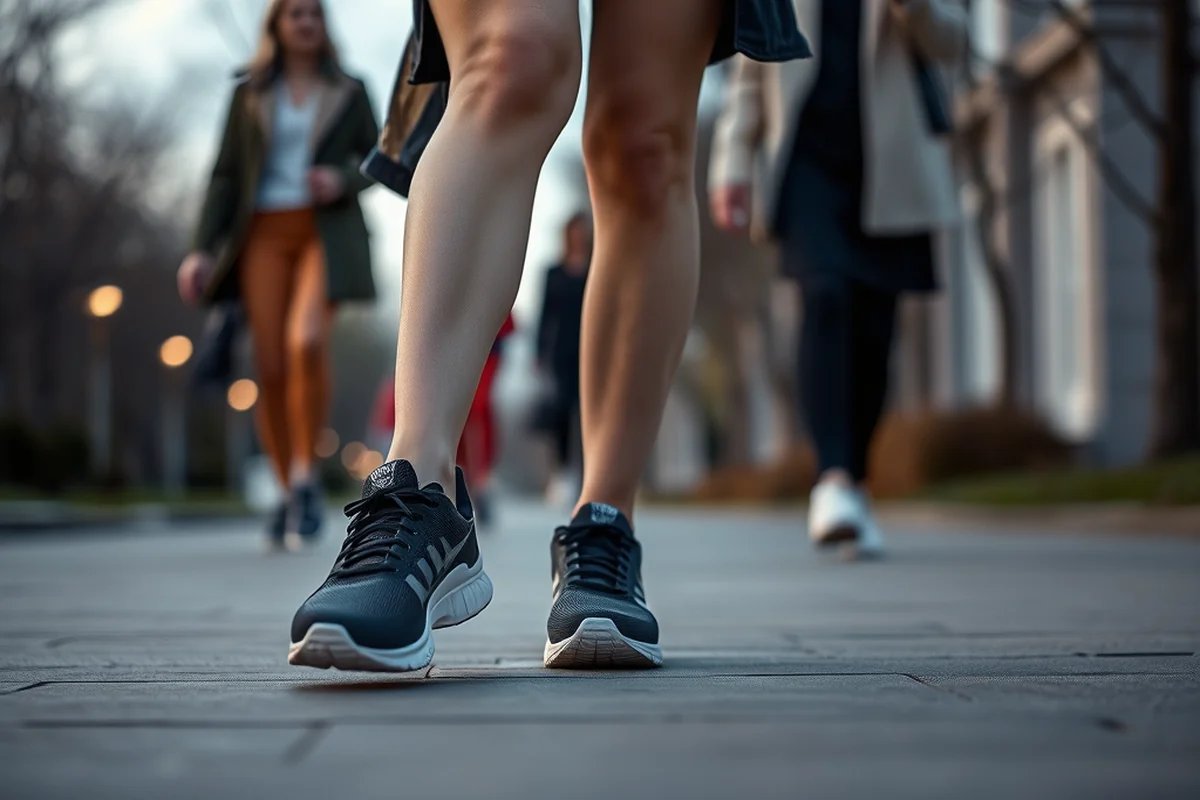
The first type is the minimalist shoe, which is ideal for people who walk barefoot or prefer a low-impact feel. These shoes have thin soles and no added structure, allowing the foot to move freely. I found that they were perfect for short walks and daily errands.
For more structured support, the stability shoe is an excellent choice. These shoes feature reinforced soles, higher arch support, and often include features like a heel counter to help prevent rolling of the foot. I wore them on a long hike and felt a significant difference in how my feet handled the terrain.
Lastly, the cushioned shoe is the go-to for people who spend long hours on their feet. These shoes have extra padding and shock absorption, which makes them ideal for office workers or anyone who stands for extended periods.
Choose the type of ergonomic footwear that matches your activity — because the right shoe makes all the difference.
Related: Best Ergonomic Footwear Uk
Related: Cheap Cruz Ergonomic Footwear
Related: Ergonomic Footwear For Men Mistakes
Related: Top Ergonomic Footwear Women
Related: Ergonomic Footwear For Kids Benefits
How Ergonomic Footwear Improves Posture and Movement
When I first started wearing ergonomic shoes, I noticed that my posture automatically improved. My spine felt more aligned, and I wasn’t slouching as much. This is because proper foot support sends the right signals to the body, encouraging better posture and balance.
The alignment of the feet is crucial for overall body mechanics. If the feet are unsupported or improperly positioned, it can lead to a host of issues, from back pain to knee strain. Ergonomic shoes help keep the feet in a neutral position, which in turn helps the rest of the body function properly.
One of the best results I’ve seen from wearing ergonomic footwear is the reduction in foot and leg fatigue. I used to feel exhausted after even a short walk, but with the right shoes, my legs felt lighter and less strained.
Spending a few minutes walking barefoot on grass or sand can help your feet reconnect with the ground, improving your balance and movement in your shoes.
“When I first started walking 10,000 steps a day as part of my health journey, I quickly realized that my standard shoes were a disaster…”— Ergonomic Footwear Guide editors
The Importance of Fit in Ergonomic Footwear
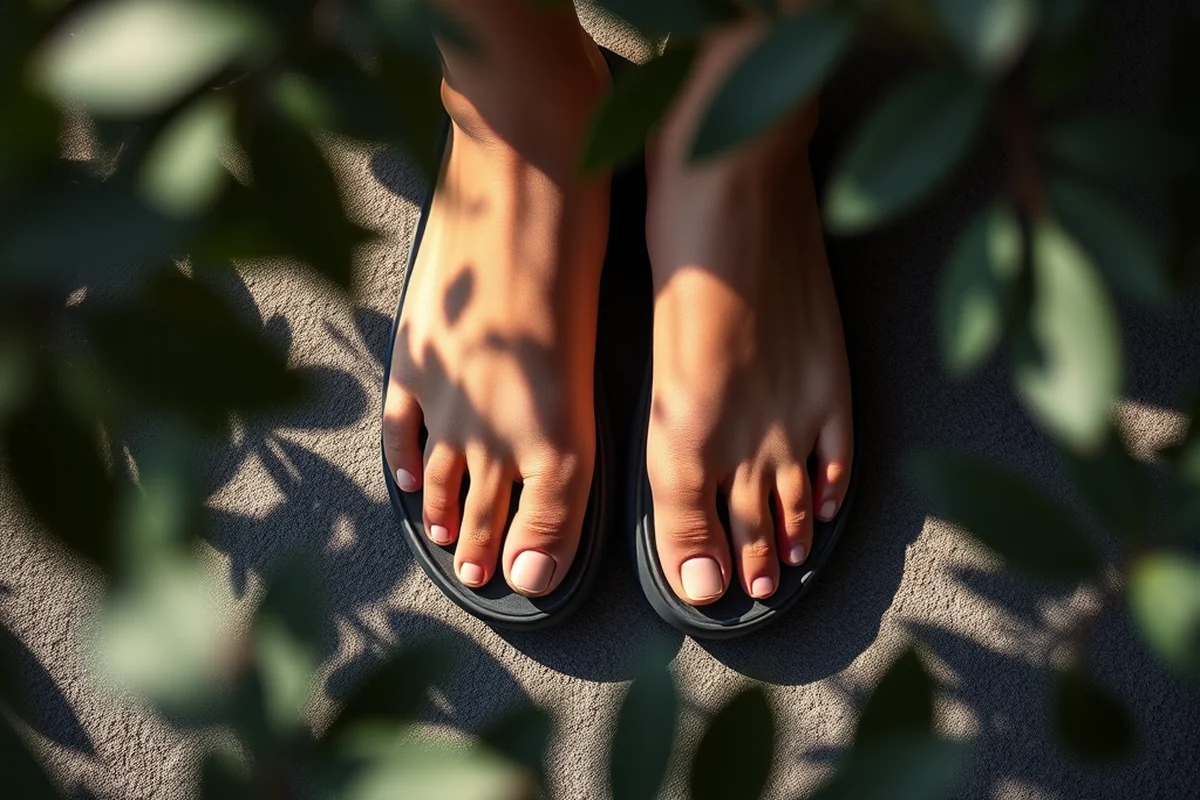
I learned this the hard way when I bought a pair of ergonomic shoes that were slightly too narrow. Within hours, I had blisters and pain. The correct fit is crucial because it ensures that the shoes conform to the shape of the foot without pinching or causing pressure points.
Proper fit also means the heel should be snug but not tight, and there should be enough room in the toe box for the toes to spread out naturally. I’ve found that shoes with a wider toe box are more comfortable for long periods of wear.
Another important factor is the length of the shoe. It should be long enough to allow for natural foot movement but not so long that the foot slips forward. I like to try on shoes in the afternoon, as feet tend to swell slightly over the course of the day.
Ergonomic Footwear for Different Activities
For running, I recommend shoes with good cushioning and support. These shoes help absorb impact and reduce the risk of injury. I’ve been using a pair for my daily runs, and I’ve noticed a significant decrease in knee pain.[3]
Hiking shoes are another category of ergonomic footwear that provides more protection and stability. They usually have reinforced soles, waterproof materials, and better traction. I recently went on a day hike and found that the right shoes made a world of difference in how I handled the terrain.
For office workers or people who spend long hours standing, cushioned shoes with good arch support are the best choice. These shoes reduce fatigue and help maintain good posture throughout the day.
The Benefits of Investing in Quality Ergonomic Footwear
I initially hesitated to spend more on ergonomic shoes, thinking that the difference wouldn’t be worth it. But after just a few weeks of wearing the right pair, I realized that my feet felt healthier and more supported. The investment paid off in the form of better movement and less pain.
Quality ergonomic shoes are built to last. I’ve had a pair of shoes for over a year now, and they’re still in great condition. This durability means I don’t have to replace them as often as I used to with cheaper shoes.
Another benefit is that good ergonomic footwear can prevent long-term health issues. I used to suffer from plantar fasciitis, but since switching to the right shoes, I haven’t had any flare-ups. It’s a small investment with big returns.
Invest in quality — your feet will thank you for it.
How to Choose the Right Ergonomic Footwear for Your Lifestyle
If you’re someone who walks a lot, I recommend looking for shoes with good cushioning and support. These will help reduce fatigue and improve comfort over long distances.[4]
For people with foot conditions like flat feet or high arches, it’s important to look for shoes with specific support features. These can make a big difference in how your feet feel during the day.
Style is also an important factor. While comfort is key, it’s also important to find shoes that you feel confident wearing. I’ve found that many ergonomic shoes come in stylish designs that are both functional and fashionable.
The Role of Arch Support in Ergonomic Footwear for Women
Proper arch support can reduce the risk of plantar fasciitis by up to 40%, according to a study published in the *Journal of Foot and Ankle Research*. When arches are not adequately supported, the feet can roll inward (overpronation), leading to misalignment in the knees, hips, and spine. This is especially important for women who stand for long hours, such as retail workers or teachers, who may spend 8 to 10 hours on their feet daily. Choosing shoes with contoured arch support that matches your foot’s natural curve is essential for long-term comfort and injury prevention.
Ergonomic footwear with built-in arch support often includes materials like memory foam or gel inserts that conform to the foot’s shape over time. For instance, a pair of high-quality ergonomic shoes with proper arch support can cost between $100 and $200, depending on the brand and materials used. These shoes often have a heel counter that provides stability and prevents excessive foot movement, which is particularly beneficial for women with flat feet or those who experience foot pain after prolonged standing.
To determine if a pair of shoes offers sufficient arch support, you can perform a simple test: stand on a flat surface and observe the indentation of your foot. If the shoe leaves a noticeable imprint in the arch area, it may be too soft and not provide enough support. Alternatively, placing a small object like a pen under the arch of the shoe can help you gauge whether the support is firm enough. This kind of attention to detail can make a significant difference in foot health and overall mobility over time.
👟 Beginner
Start with minimalist shoes that offer light support and allow your feet to move naturally.
💰 Budget
Look for affordable ergonomic shoes with basic support, ideal for daily walks and errands.
⚡ Fastest
Opt for pre-fitted ergonomic shoes that can be purchased and worn the same day, great for quick needs.
🏃 Advanced
Choose high-performance ergonomic shoes designed for running or hiking, with maximum cushioning and support.
🛠️ Maintenance
Invest in durable, high-quality shoes that can be maintained over time for long-term use.
| The mistake | Why it happens | The fix |
|---|---|---|
| Choosing the wrong shoe size. | Ill-fitting shoes can cause blisters, pain, and even long-term foot issues. | Always try on shoes in the afternoon and ensure there’s enough room in the toe box and heel. |
| Ignoring the need for arch support. | Without proper arch support, shoes can cause discomfort and lead to overpronation or other foot problems. | Look for shoes with built-in arch support or consider adding a custom insole. |
| Purchasing shoes based solely on price. | Cheaper shoes may not provide the necessary support or durability, leading to discomfort and early wear. |
Types Of Ergonomic Footwear For Women
Common Questions
What are the best ergonomic shoes for women with flat feet?
Can ergonomic shoes help with plantar fasciitis?
Are ergonomic shoes for women more expensive than regular shoes?
How do I know if a pair of shoes is ergonomic?
Cite this guide
Ergonomic Footwear Guide (2026). Types Of Ergonomic Footwear For Women. https://shoesupportguide.com/types-of-ergonomic-footwear-for-women/
Feel free to cite or share this guide.
References
- (PDF) The science of footwear - Academia.edu (academia.edu)
- Employee Handbook Appendix - City of Ceres (ceres.gov)
- Logistics and Manufacturing Assistive Technology Product Name ... (dars.virginia.gov)
- Occupational Footwear Design Influences Biomechanics and ... (digitalcommons.coastal.edu)